CalRecycle Workshop Spurs Action On Scrap Tire Exports
The California Department of Recycling and Resource Recovery (CalRecycle) held a workshop on tire regulation enforcement March 19.
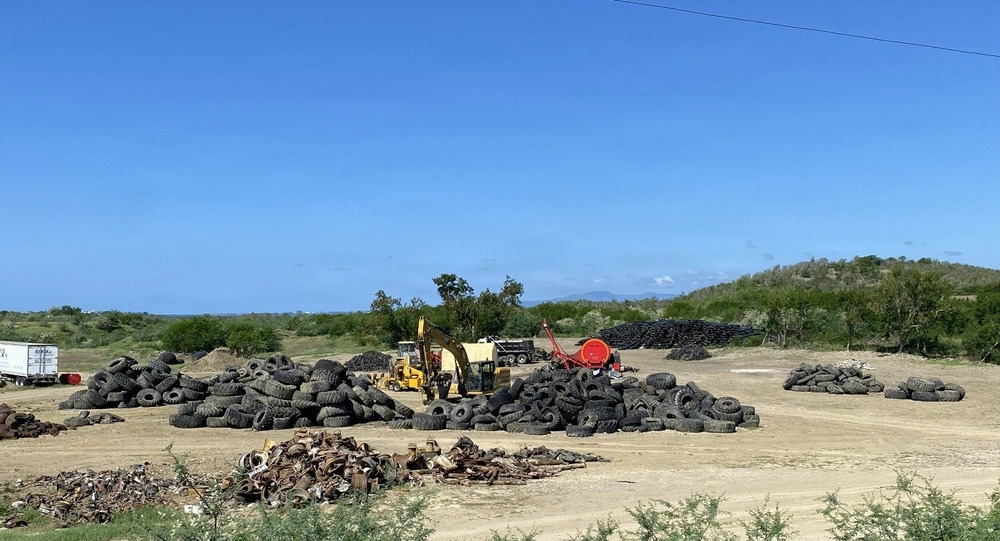
The "changes in Enforcement Practices" workshop is the latest CalRecycle effort to respond to the continued diversion of California waste tires to unpermitted facilities that have received notice of violation orders to bring their site into compliance with storage limits.
For months, California tire recyclers, processors and other industry stakeholders have been lobbying CalRecycle to step up enforcement of unpermitted sites and haulers delivering tires to unpermitted sites.
These unpermitted operations are diverting thousands of scrap tires from legitimately permitted tire recyclers and processors drastically reducing tire flows and threatening to put legitimate scrap tire companies out of business, stakeholders told CalRecycle.
More than 75 California tire recycling industry stakeholders attending the March 19 meeting thanked CalRecycle officials and applauded their dedication in responding to California tire recyclers' and processors' concerns.
California tire recyclers called the meeting "a great start" and said they were hopeful that CalRecycle's actions will have an impact on the export of tires, at least in the short term.
Beyond California, the tire recycling industry in a growing number of states is also feeling the effects of tires being exported overseas. Tire recylers in these states say the loss of tire flow and lost revenue are putting their businesses in jeopardy.
As stakeholders from other states and the U.S. Environmental Protection Agency (EPA) coalesce, they point to California as a good example of what states can do. "California is moving on it," several tire industry representatives said during a recent meeting of EPA's Scrap Tire Workgroup subcommittee on exports. Among other things, California is looking at legislation to institutionalize waste tire practices.
At the March 19 meeting, workshop leaders presented a roster of ideas on modifications to the state's waste tire enforcement process that focused on business practices and statutory options. Among the changes to current business practices, CalRecycle proposed shortening the time for rejecting incomplete waste tire storage permit applications and the time between a notice of violation and a cleanup order.
The agency also proposed a "no exceptions" rule for all sites found in violation. CalRecycle said it would work with local district attorneys and involve attorneys earlier in the process to thwart facilities and haulers in violation of waste tire laws.
CalRecycle also proposed re-instating the practice of publicizing enforcement activities through press releases and as informational items on public meeting agendas. The agency also recommended posting cleanup and abatement orders and administrative complaints on its website.
Nine statutory options presented at the meeting were for discussion only. They included provisions to require waste tire law violators to reduce the number of tires on site to zero and the option for district attorneys to file felony charges against waste tire violators, instead of misdemeanor charges as currently allowed.
CalRecycle is accepting comments to its proposed business practices changes and statutory options until the end of April at wastetires@calrecycle.ca.gov.
© Scrap Tire News, April 2012
EPA: Crumb Rubber Not A Health Risk
The U.S. Environmental Protection Agency (EPA) has posted a statement on the Scrap Tire page of its website summarizing the Agency's findings that it has found no evidence in field monitoring data collected to date by EPA and others of an elevated health risk resulting from the use of recycled tire crumb in playgrounds or synthetic turf athletic fields.
The full text of EPA's position statement on the potential health risk from crumb rubber in playgounds or athletic turf fields follows:
"In response to concerns about potential risks resulting from the use of recycled tire crumb in playgrounds and in conjunction with synthetic turf athletic fields, EPA conducted a Scoping-Level Field Monitoring Study of Synthetic Turf Fields and Playgrounds. The final report was issued in 2009 and concluded that on average, concentrations of components monitored in this study were below levels of concern.
To supplement this study's limited data, EPA met with state and local representatives in 2010 to review other available field monitoring studies including a recent study conducted by the state of Connecticut which concluded that exposures and risks were not elevated (relative to what is commonly found in outdoor air) for either children and adults using the fields.
According to a recent California report that looks into the possible human health risks of outdoor athletic fields made from artificial turf containing recycled crumb rubber with respect to skin abrasions, bacteria harbored by the turf,inhalable particulate matter, and volatile organic compounds, it was concluded these fields do not pose a serious public health concern, with the possible exception of an increased skin abrasion rate on artificial turf relative to natural turf.
At this point in time, we do not believe that the field monitoring data collected to date by EPA and others provides evidence of an elevated health risk resulting from the use of tire mulch in playgrounds or synthetic turf athletic fields. Ultimately, the use of tire crumb or any other playground materials is a local or state decision."
In addition to the position statement on crumb rubber, EPA's website features a similar statement of the Agency's findings on tire derived fuel.
Users can also find a wealth of information on scrap tire markets, regulations and a general overview of scrap tire management in the US today. A section of the site is devoted to the Scrap Tire Workgroup. It presents the goals, mission and initiatives this broad-based industry/government group has undertaken to further growth in scrap tire recycling and markets in the US.
Publications referenced in EPA's crumb rubber position statement can be found at:
www.epa.gov/nerl/features/tire_crumbs.html
www.ct.gov/dep/artificialturf
www.calrecycle.ca.gov
© Scrap Tire News, March 2012
Florida On-Track With Scrap Tire Management
The Florida waste tire management program has made exceptional progress, according to the latest Waste Tires in Florida report from the Florida Department of Environmental Protection (DEP).
In 2008, almost 92 percent of the 19.5 million waste tires generated in Florida were constructively utilized in diverse applications, compared to virtually no usage in 1990.
The new report (covering 2010) provides summaries of Florida's diverse markets noting changes and anomalies in certain markets. For example,the use of tire shreds in septic tank drain fields which showed growth earlier is declining, while high fuel prices attracted more tire fuel use in new and retrofitted cement kilns, waste-to-energy facilities, and power boilers, with additional growth probable.
The use of scrap tires as a supplemental fuel source consumed 49.9 percent of Florida’s waste tire generation in 2010, Ten waste-to-energy facilities consume tires to enhance their combustion temperature control and/or optimize electricity generation.
In addition, cement kilns,pulp and paper mills and other industrial facilities are utilizing tires as fuel within Florida making fuel use the largest market for scrap tires in Florida. Florida utilized an estimated 7,260,000 waste tires in crumb rubber applications during 2010, representing 37.7 percent of total generation.
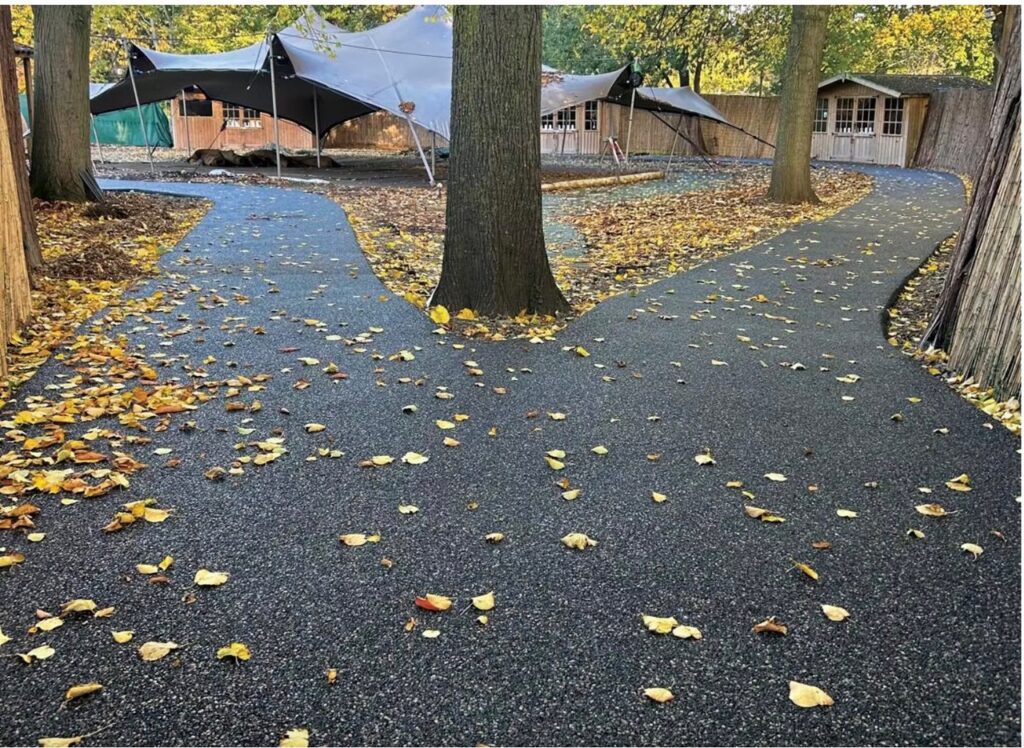
Playground surfacing, both loose-fill and poured-in-place, is a significant use of crumb rubber in Florida. In addition, innovative athletic fields utilizing crumb rubber within artificial turf surfaces remain substantial, although there was a slight decline in 2010 due to decreased public spending on facilities. Crumb rubber is also used for soil modification to decrease compaction and enhance drainage on sports fields and other high-traffic grassed areas. Florida producers have significantly increased sales of crumb rubber to regional manufacturers of molded rubber products, such as tiles and mats.
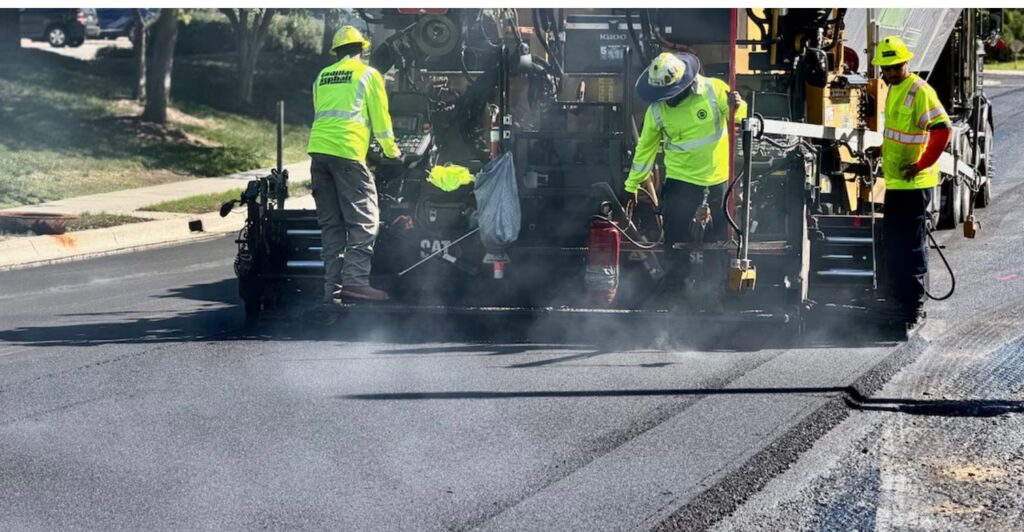
Another major market for crumb rubber in Florida is asphalt modification, Florida Department of Transportation (FDOT) contractors purchased about 19,000 tons of crumb rubber in 2010 from Florida producers as part of the interlayer, friction course and crack sealants used in roadway construction and maintenance. Manufacturing crumb rubber for this market consumes about 530,000 tires. Florida was the only state that specified rubber modified asphalt (RMA) for friction course pavement on all state-maintained roads, but polymers have displaced crumb rubber in some road classes. DOT is continuing a detailed research program that could reverse this decline and increase crumb rubber usage through substitution of polymer/crumb rubber blends.
Florida has been one of the pioneers in large-scale use of shredded tires as a replacement for natural soil and aggregate in civil engineering applications such as landfill drainage layers, methane gas collection systems, and septic system drainage trenches. These uses consumed approximately 480,000 tires, or about 2.5 percent, of Florida’s waste tires in 2010. Tire chips have become a proven, technically acceptable material for these applications, but market volume for tire chips is dependent on comparative economics and new landfill cell construction. Use of tire chips as daily cover continues to decline as higher value uses expand.
While the Department continues to explore methods of encouraging and accelerating additional market development to achieve full utilization of its scrap tire resources, for the first time the state reported export as a diversion route for the state's annually generated scrap tires. In 2010, the report estimated 400,000 PTEs were collected, baled and exported from Florida through Vietnam to China, reportedly for conversion to diesel fuel in rural areas using crude pyrolysis technology that produces gross environmental contamination. The report further noted that export volumes appeared to be expanding rapidly in 2011, decreasing availability of tires for established local processors and markets.
Waste tire stockpiles have been reduced by more than 15 million tires through persuasion of site owners, financing of county abatement actions, or abatement under department contracts. With continuing permitting and enforcement activity on both state and local levels, few new stockpiles have been created and existing stockpiles are continuing to be abated. Stockpiles have declined dramatically over the years, with the current list of known stockpiles containing approximately 32,000 waste tires, with the exception of the Osborne Reef site, which is an ongoing project to remove nearly a million tires from the sea floor. The Department is continuing its efforts to identify and abate all remaining stockpiles, the report concluded.
© Scrap Tire News, February 2012
TDA Rescues Failing Road Project
Tire shreds' lightweight, sheer strength overcomes poor soils
Construction was humming along on a multi-year, $25 million road project outside of Mankato, MN on CSAH 12 when an embankment leading to a bridge failed, temporarily affecting service on the DM&E Railroad's mainline running along the base of the embankment. To determine the cause of the failure and figure out the most effective and cost efficient remedy, Blue Earth County sought the advice of geotechnical engineers.
Steve Gale, from Gale Tec Engineering Inc, was brought in. Determining the cause required reviewing the site, which had about a 30 foot high embankment with double train tracks at the bottom. Soil borings were drilled and tests were run on samples from the road section.
"Just like a doctor would run a CAT scan and do blood tests, we do the same thing on soil," Gale said. The determination was heavy fill on top of soft soils caused the failure and continued movement.
"In this case, because of the limited distance between the overpass and the railroad tracks, we had to take the soil load off in order to stop the movement and then rebuild that section with a material that was lightweight," Gale explained.
Four different materials were evaluated for their engineering properties and cost effectiveness. After looking at foam, lightweight aggregate, wood chips, and tire shreds, the choice was clear.
"Shredded tires have certain properties that were advantageous in this case," Gale said. "They have a high interface friction angle and low weight, about one-third of the weight of regular soil."
The county engineer, Al Forsberg, agreed with the diagnosis and the remedy.
"Tires were the most economical solution and they solved the slope stability problem," Forsberg said.
Cost savings are just one of the benefits of using tire shreds in civil engineering applications, according to Monte Niemi, CEO of First State Tire Recycling. His facility in Isanti, MN processes millions of used tires every year into Recycled Tire Engineered Aggregate R.-T.E.A. The tires are recycled into pieces ranging in size up to 12 inches which can be used as aggregate in civil engineering products.
"When compared to other fills, tires offer a remarkable list of unique and desirable characteristics: lightweight, free-draining, insulating, high internal shear strength," Niemi said. "When the pieces get compressed, they interlock and hold the road together."
More than 16,000 cubic yards of tire shreds were used in the Blue Earth County bridge embankment project. This would amount to about 820,000 tires used.
Tire shreds are helping Blue Earth County meet their goals of increasing safety at the interchange connection to Highway 14, and providing grade separation with the railroad and Sakatah Singing Hills Regional Trail, Forsberg said.
The project also is addressing congestion, access and economic development needs of the region. The portion is complete that includes the shredded tires approach to the bridge over the railroad tracks. Forsberg reports the entire project is nearing completion and the tire fill has corrected the problem.
This was Blue Earth County's first road project involving tire shreds. The product has a 20 year history and has been successfully used in other counties, including Carlton, Benton, Sherburne, Isanti, Ramsey, and Hennepin, to name a few.
© Scrap Tire News, January 2012
Rubberized Asphalt Use Growing Worldwide
More than 85 stakeholders interested in expanding the use of recycled rubber in asphalt pavements gathered at the 5th Rubber Modified Asphalt Conference held in Austin, TX last month.
Sponsored by the Scrap Tire Research and Education Foundation, the Rubber Manufacturers Association--both Washington DC organizations, the Rubber Division American Chemical Society, Akron, OH; Rubber Pavements Association,Tempe, AZ; the National Center for Asphalt Technology, Auburn, AL; the Asphalt Institute, Lexington, KY and the National Pavements Association, Lanham, MD, the two-day meeting covered the latest developments in rubberized asphalt.
Presenters and those attending engaged in interactive dialogue throughout the sessions to detail progress in the types of technology being used to incorporate rubber into asphalt binders.
Traditional hot mix asphalt (HMA) , the technology that first used recycled tire rubber in asphalt, is a stable market for rubber modified asphalt today while newer technologies like terminal blended asphalt blended with tire rubber is making strong in- roads in the market. Recycled tire rubber is also being incorporated into warm mix asphalt blends which require less energy and produce lower emissions. These attributes make warm mix asphalt a good environmental choice, according to the Federal Highway Administration's (FHWA) Steve Mueller said in a presentation covering an Overview of the FHWA Organization and Recycling Policy and the USA Road Network.
Millions and millions of tons of recycled materials including slag, recycled asphalt pavement (RAP), and recycled tire rubber, are being used in highway pavement applications annually in the U.S., Mueller said.
FHWA's Environmental Policy seeks to both save non-renewable resources and encourage the use of industrial byproducts in the nation's highways, Mueller said. "And, he added, " it's also just 'a darn good' practice".
Presentations also included reviews of FHWA's Sustainable Highway Program and case studies of rubber modified asphalt use in Louisiana, Texas and Nebraska. Other topics covered the noise reduction effects from rubber modified asphalt, cold-weather use of rubber modified asphalt in Sweden and Alaska and a summary of current research on rubberized asphalt.
© Scrap Tire News, December 2011
CalRecycle Steps Up Efforts To Stem Unpermitted "Exportation" Activities
At its October public meeting, the California Department of Resource Recycling and Recovery (CalRecycle) discussed its efforts to address unpermitted and illegal activities occurring as a result of the growing export business in the state that is diverting scrap tires to overseas markets. Stakehokders at the meeting said the export of scrap tires from California is being led by a network of brokers who solicit haulers, owners of unpermitted sites and operators of permitted facilities to bale tires and transport the bales to ports in Northern and Southern California for shipment to Chinese tire fuel markets. Among the issues CalRecycle is looking into, are haulers, companies and individuals operating without permits that are "part of the exportation business."
Trailer weight is something else CalRecycle is looking into. According to reports the agency has received from California processors and tire-derived product manufacturers, there are companies sending out overloaded trailers from their facilities under directives from the export brokers demanding containers be heavier than the legal weight.
California tire processors, recyclers and other stakeholders who operate with proper permits have lodged numerous complaints with CalRecycle calling for both enforce- ment and oversight of the rapidly expanding export business in the state saying it is driving down tip fees and eroding the once robust tire flow that feeds scrap tire processing, recycling and products manufacturing facilities in the state.
For its part, CalRecycle said the state is stepping up its inspection and enforcement of tire sites and facilities operating without a permit. The agency reports an increase in permit applications as a result.
On the transport side, members of California's scrap tire recycling industry have called on CalRecycle to work more closely with the California Highway Patrol (CHP) and alert them when there are complaints of overloaded trailers transporting baled tires to ports.
CalRecycle's enforcement officials have also developed a Special Bulletin dealing with Baled Waste Tire Permitting Storage and Hauling requirements. The bulletin was sent out by CalRecycle to remind tire stakeholders about the regulations affecting baling operations.
Storage Facility permit. Before such permits can be issued, they require, among other things, an inspection and approval by local fire authorities. The Bulletin sets forth the process state inspectors use to bring about permitting compliance when an inspection finds more than 499 tires at a site.
In addition, the agency is accepting suggestions from stakeholders on the quickest way to shut down illegal tire facilities that are storing more than 499 scrap tires.
© Scrap Tire News, November 2011
Majority of Auto Repair Shops Recycle Tires
Today's auto repair shops do much more than fix cars. They also play a key role in protecting the environment. According to a study by the Automotive Aftermarket Industry Association, Bethesda, MD (AAIA), 88 percent report they recycle tires.
"Many people aren't aware of the widespread environmental thinking and practices in auto repair shops in the areas of recycling, disposal and facilities management," Rich White, executive director, Car Care Council said.
"Shops have practiced sustainability for decades, and as a result, they have made huge contributions to a cleaner environment."
The recycling efforts of auto repair shops help keep tires out of landfills - where they can cause toxic runoff that can contaminate the soil and watershed - and out of tire stockpiles that can create fires, causing land and air pollution and contaminating surface and ground water sources, AAIS's study said.
In addition to recycling tires, repair shops recycle used engine oil and oil filters, batteries, parts cleaning solvents, scrap metal, plastics, cardboard and paper,pallets and more.
The study is part of AAIA's initiative to illustrate the automotive aftermarket industry's widespread environmental efforts. The information is presented in AAIA's "Driving Toward a Cleaner Environment: The Automotive Aftermarket's Green Story," and in the short videos, AAIA Green and AAIA Green: Tire Recycling.
The Car Care Council's "Be Car Care Aware" consumer education campaign promotes the benefits of regular vehicle care, maintenance and repair to consumers. Visit www.carcare.org.
© Scrap Tire News, October 2011
EPA Releases Scrap Tire Handbook
New publication seeks to accelerate scrap tire market development efforts in the U.S.-Mexico border region using experience-based information Scrap tires are a concern for Mexico, with many scrap tire piles concentrated throughout the U.S – Mexico border region.
In addition to the numerous environmental and public health concerns that scrap tire piles can raise in communities, they represent a vastly underutilized market for recycled materials. Now, a just-released scrap tire resource handbook has a variety of viable options for the Mexico border region to take advantage of the scrap tire market. Scrap Tires: Handbook on Recycling Applications and Management for the U.S. and Mexico is a roadmap for federal, state and local governments along with private industry for developing markets for scrap tires and valuable tire-derived materials.
“The publication has been years in the making and provides a wealth of information on addressing scrap tires,” Rick Picardi, Acting Chief, of the International and Transportation Branch of the U.S. Environmental Protection Agency and project manager for the Scrap Tire Handbook, said. Prominent experts in the scrap tire field provided much of the content, Picardi said.
The handbook is both unique and useful in the fact that it presents information and lessons learned from those who have established and effectively managed scrap tire programs. It gives in-depth, modern-day coverage to the three main market segments –energy use, tire-derived aggregate and ground rubber. Information-packed chapters have specific market details and applications showing how each of these recycling methods is driving the tire recycling industry.
Tire recyclers will be especially interested in the book’s discussion of transportation and processing economics. Economic analysis is critical to any scrap tire program success but it is rarely covered in tire recycling presentations or discussions.
Chapter Six of thehandbook takes on the task. The chapter is replete with clear explanations of real-life numbers and economic values for all aspects of tire handling from collection, transportation and processing to market identification, potential and distribution. Charts, graphs and other comparative tools present a balanced look at what to consider before implementation of a tire recycling operation.
This economic analysis along with the technical, environmental, and reference information provided for major scrap tire recycling applications allow industry and government stakeholders to assess, prioritize, target, and develop markets as efficiently and rapidly as possible.
For energy use, the handbook points out that scrap tires can be an environmentally compatible alternative energy resource when used in appropriate applications.
To date, energy use is recognized as an important component of successful scrap tire management programs within the United States because of its ability to allow scrap tires to be used productively.
The net result has been substantial conservation of non-renewable fossil fuels. Good scrap tire management programs recognize the importance of diverse applications, the Handbook states. Thus, when the demonstrated performance of tires as an energy resource is objectively evaluated, many jurisdictions have concluded that the environment is better served by recognizing the value of this resource rather than wasting it while waiting for ideal solutions.
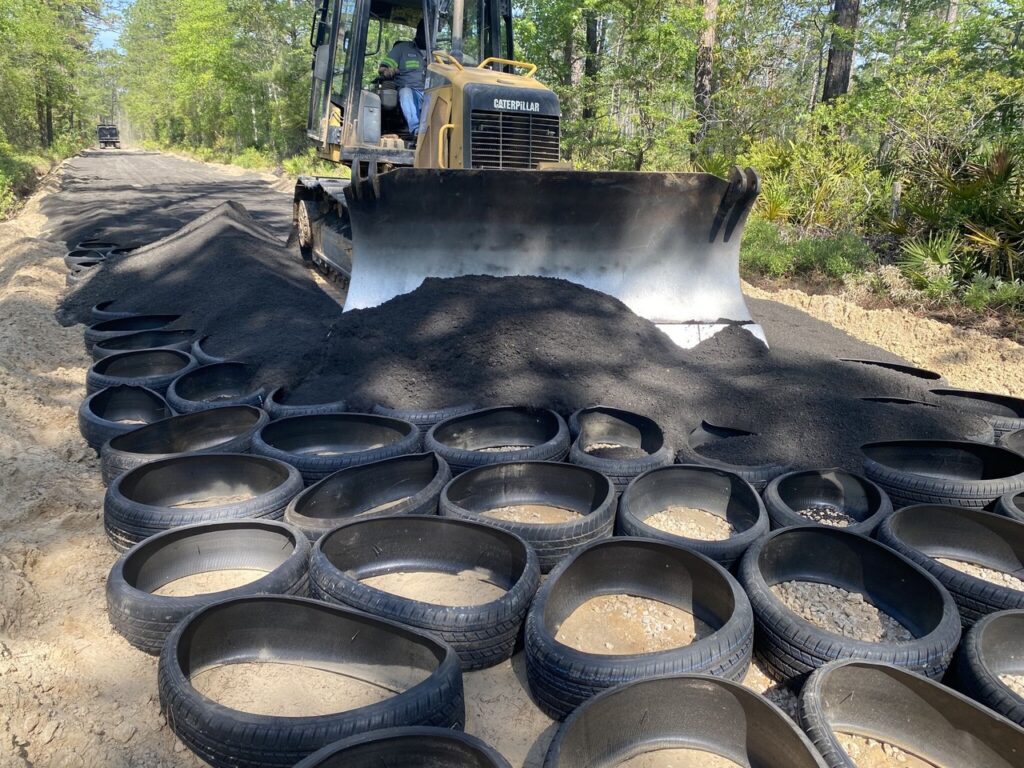
The Handbook goes on to say that the use of scrap tires in civil engineering applications, in some cases , can be a viable alternative to tire-derived fuel. This is because tire derived aggregate (TDA), an engineered product made by cutting scrap tires into 25- to 300-millimeter (mm) pieces, has inherent properties that provide many solutions to geotechnical challenges.
Since it is lightweight, TDA produces low lateral pressures on walls It is a good thermal insulator, in fact, eight times better than soil. TDA has high permeability, good shear strength, and absorbs vibrations. When used in appropriate applications, TDA’s special properties can greatly reduce construction costs and effectively consume significant volumes of scrap tire material. Each cubic meter of TDA fill contains the equivalent of 100 passenger car tires, the Handbook said.
True to its theme, the Handbook looks at ground rubber applications within the context of traditional recycling hierarchy and examines their role in advancing scrap tire markets throughout the U.S.-Mexico border regions.
One thing the Handbook makes clear is the highest-value applications for scrap tires use ground rubber and that as ground rubber markets develop, scrap tires will naturally be diverted to products with higher value. Typical applications range from animal mattresses and traffic cones to athletic surfaces and as additive to asphalt.
However, the Handbook points out, these applications have historically developed slowly and do not consume large volumes of tires. So, while they are not the primary focus of new scrap tire management programs for the U.S- Mexico border regions described in the Handbook, ground rubber markets can be an important long-term component of scrap tire use while initial market development efforts focus on energy and civil engineering applications to maximize short-term use of this resource.
In addition, with the experience gained in the United States, it may be possible to accelerate ground rubber market growth in Mexico, the Handbook states.
Looking at another key component of successful scrap tire management programs, the Handbook illustrates how many U.S. states have been able to successfully clean up scrap tire stockpiles, establish programs to halt the formation of future stockpiles, and mitigate the potential risks to human health and the environment posed by tire stockpiles. The Handbook reflects the lessons learned in the process and highlights important considerations for establishing and implementing scrap tire abatement and reuse programs.
It offers several key points for the successful implementation of a scrap tire program calling on stakeholders to first identify and promote markets for scrap tires in or around their communities. The Handbook recommends identifying a specific market before choosing a particular scrap tire application, such as crumb rubber or tire shreds. Hiring a tire expert before making a decision to spend money on pyrolysis, gasification, or thermal induction, can help assure a successful program outcome, the Handbook says.
"While these methods are evolving and may become economically viable in the future, they have not proven economically viable thus far," the Handbook points out. Additional information, lessons learned, and case-studies from established programs can be found throughout the handbook.
Links for further reading are supplied when available and provide valuable information to local governments or private industry ready to explore the scrap tire market.
To obtain a hardcopy of the publication go to the National Service Center for Environmental Publications website, http://www.epa.gov/nscep. Publication number is EPA530-R-10-010. A Spanish version of the Handbook is also in the works and will be released soon.
© Scrap Tire News, September 2011
STC Advances Industry Education With A Look At Today's Turf
First comprehensive, annotated guide covers the uses and benefits of synthetic turf
Synthetic Turf 360º, A Guide for Today's Synthetic Turf showcases the numerous uses and benefits of synthetic turf and contains information on the positive environmental impact of recycling tires.
Produced by the Atlanta, GA-based Synthetic Turf Council (STC), Synthetic Turf 360º features information about athletic fields and the growing landscape and recreation category, which includes parks, playgrounds, homes, businesses, golf courses and more. Available for download without charge, the education piece is the first comprehensive, annotated tool of its kind in the industry.
"We created this piece in response to requests from consumers, members, athletic directors, municipal officials and others," Rick Doyle, President of the Synthetic Turf Council said. "After much research, editing, and time, Synthetic Turf 360º presents the latest thinking about today's synthetic turf in an attractive format."
Education is an important focus for the STC. Its website contains research, studies and position papers from federal agencies, governing bodies and independent sources worldwide. In addition to Synthetic Turf 360º, other resources include Reaching the Finish Line, which helps athletic directors interested in synthetic turf raise funds and build support, and technical papers including Suggested Guidelines for the Essential Elements of Synthetic Turf Systems and Suggested Guidelines for the Maintenance of Infilled Synthetic Turf Surfaces.
This copyrighted STC document, Synthetic Turf 360º is free for use and sharing as long as it's not altered in any way. To access the piece, visit www.syntheticturfcouncil.org.
© Scrap Tire News, August 2011
EPA Sets Schedule For Boiler Standards
The U.S. Environmental Protection Agency (EPA) will release a new proposal for air toxic standards for industrial boilers and waste incinerators by this October, with final standards ready by April 2012, the agency said in a filing with the U.S. Court of Appeals for the District of Columbia Circuit.
The EPA announced in May that it was seeking additional public comment on the final rules issued last February, and issued a stay postponing the effective dates of the standards until the reconsideration was complete.
Businesses and communities sent the EPA more than 4,800 comments after the proposed boiler and incinerator rules were issued in April 2010.
Responding to comments from the tire industry, tire recyclers and state scrap tire program managers, the agency clarified the use of scrap tires as fuel in the final rule and deleted a proposal requiring that scrap tires must be processed to remove all metal.
© Scrap Tire News, July 2011
Recycle Atlanta Puts Focus on Rubberized Asphalt
Several top decision makers from various entities who oversee tire recycling and road construction gathered in Georgia for Recycle Atlanta, May 24 at the invitation of Liberty Tire Recycling.
The one-day educational event featured a technical seminar focused on rubber modified asphalt and Green Space:Atlanta -- a networking forum showcasing tire recycling products, manufacturing and applications.
Among those attending, Georgia state representative Randy Nix (District 69) commented that he came to learn more about scrap tires since he sponsored legislation earlier this year that addressed the state’s tire fee.
“One of the things I came away with today is a true understanding of the value and benefits of tire recycling and rubberized asphalt to communities throughout Georgia," Representative Nix told Dick Gust, Vice President, National Collections for Liberty Tire Recycling and coordinator of the Recycle Atlanta program.
Nix, who attended the rubberized asphalt presentation and spent time touring Liberty’s tire processing facility, expressed his interest in developing a public/private partnership to promote the use of rubberized asphalt and other recycled rubber products and applications to the various levels of state and municipal government. “We learned how good this product is for Georgia’s roads and all about the benefits,” Nix said. “Now, how can we make this happen?”
Nix suggested a follow-up program in the Fall and offered assistance in gathering attendees from other agencies including the departments of environment and public works.
Approximately 517 lane miles of rubberized asphalt have been placed on Georgia highways in more than a dozen projects since 2007 and the number is growing, according to Peter Wu, bureau chief of technical assistance at the office of Materials and Research for the Georgia Department of Transportation (DOT). “They are all performing and serving the driving public”, Wu told those attending Recycle Atlanta.
“Rubber is a product that provides long-term supply and is a more cost-effective and competitive way to modify asphalt,” Wu said. “In addition, it provides an outlay for scrap tires that may otherwise end up in landfills.” In all, the projects used 3,300,000 pounds of recycled rubber--the equivalent of 330,000 scrap tires.
For the Georgia DOT, interest in increasing the use of rubber modified asphalt in the state traces back to 2008 when the price of crude oil hit $147 a barrel and the association of modified asphalt producers announced a shortage of styrene butadiene polymers (SBS) for the asphalt industry. This confluence of economic factors spurred Georgia DOT engineers to consider alternate materials or construction methods that could reduce project costs while maintaining pavement quality and longevity, Wu commented.
At the same time, the Georgia DOT, which had in the past place several test sections of asphalt pavement incorporating crumb rubber in the mix, was pursuing experience with a new rubberized asphalt technology. The technology, developed by Illinois-based Rubber Asphalt Solutions, LLC, involved the inclusion of trans-polyoctenamer (TOR) with the rubber to improve workability of the crumb rubber modified mixture.
Starting in 2007, the Georgia DOT placed a series of test sections on I-75 and on several state roads including a 9.5mm Superpave with 45 % RAP (reclaimed asphalt pavement) modified with a crumb rubber design mix consisting of 10 % ground tire rubber by weight of the asphalt cement and the TOR polymer added at a 4.5% rate based on the weight of the rubber. The crumb rubber/TOR modifier was dry -fed directly into the hot mix plant mixing chamber.
“The test sections passed all Georgia’s quality control and quality acceptance requirements, including smoothness and density,” Wu said.
Georgia DOT continued its research in 2008, placing more projects using the dry process to incorporate the crumb rubber modifier and experimenting with the amounts of crumb rubber/TOR modifier and RAP to see if they could maintain the same positive results.
Based on the successful results of the 2007 and 2008 projects, the Georgia DOT approved a special provision for crumb rubber modifier in Section 820 of the state materials specification that states “Crumb rubber modified PG 76-22 is an acceptable alternative to SBS or SB modified asphalt and can be used at the contractor’s discretion.” It also specified the quality of the rubber as “30 mesh size ambient or cryogenic ground tire rubber at 10% of weight of total asphalt cement content. Trans-Polyoctenamer shall be added at 4.5% of the weight of the crumb rubber to achieve better particle distribution.”
“What this did was allow rubber into the performance grade specifications, “Doug Carlson, Vice President, Asphalt Products, Liberty Tire Recycling said. “Prior to this crumb rubber had been excluded from the PG-specifications. Now it can go head-to-head with polymers in Georgia highway and state road projects.”
One of the most promising results of Georgia’s rubberized asphalt projects is the ability to use rubber with RAP. This pairing has proven to be beneficial is several ways. It means additional savings from the use of reclaimed materials versus virgin materials, Carlson said. And, Georgia researchers found that with the appropriate formulation, crumb rubber modified asphalt can actually improve workability and thus allow higher percentages of RAP materials, further reducing the demand for virgin asphalt.
Given the high price of polymers and asphalt, this can be a direct cost savings to asphalt producers and states of up to 10 percent per ton, Carlson said.
“Both crumb rubber and RAP are “green asphalt”, Wu said, noting that each is a reclaimed material that can be recycled at the end of pavement life reducing the need to use valuable landfill space.
Besides cost savings and improvements to the environment, experience in other states has shown that rubber modified asphalt pavements are more durable and extend the service life of the road as much as 60 percent. Roads stay darker and finished roads are quieter and smoother creating better driving conditions for motorists. Safety studies have also shown that rubber modified pavements allow for better skid resistance and decrease the stopping distance for vehicles in wet or dry conditions. And, Liberty’s Carlson reported that in Texas studies have demonstrated improved visibility of pavement markings in wet and inclement conditions.
Peter Wu believes other states' experience with durability and the robust structure of crumb rubber pavement will potentially lower the life cycle cost of crumb rubber modified pavements.
"It's important to Georgia's research to see the commonalities as well as the progress and developments in other states," he said.
The asphalt industry and the Georgia DOT will continue the research partnership and evaluate the performance of the rubber modified asphalt sections, which may become an alternate paving material in the state, Wu said.
"Just as important," Peter Wu said, "is getting the message out to municipal road departments in the state." While the Georgia DOT is responsible for 1800 center lane miles, cities and counties control 10,000 center lane miles in Georgia. Wu, who also participates in the Federal Highway Administration Long Term Pavement Performance Program, proposed working with Liberty to help city and county public works officials become more aware of Georgia's Section 820 specification and how to facilitate the use of crumb rubber modifier on their streets and roads.
One of Liberty's goals for the Recycle Atlanta program was to provide exposure to what other states are doing with rubberized asphalt, Doug Carlson said. For example, Louisiana, Florida and Alabama have programs similar to Georgia's PG specification for crumb rubber modifier. Alabama is now specifying rubber modified asphalt pavement on a case-by-case basis, Carlson said.
Liberty also wanted to raise awareness to the technical and cost saving characteristics recycled rubber brings to rubberized asphalt and many other products, Liberty's Dick Gust said. "Crumb rubber has come a long way from the early days of processing scrap tires. Today, it's recognized as a raw material with engineered and material properties that make it a desirable feedstock in many products and applications."
In the asphalt arena, for example, crumb rubber now costs less than most polymers, has performance properties equal to or better than polymers and is readily available.
"New technologies take time," Gust said. "They aren't easy to introduce in an established, time-tested industry like asphalt. By creating this exchange of ideas between the public and private sectors and providing educational training, we want to lead the way in advancing new products and services that will provide sustainable outlets for the millions of scrap tires generated annually in Georgia and the nation."
© Scrap Tire News, June 2011
ISRI Adopts Position Supporting Rubberized Asphalt
At its 2011 Convention and Expo in Los Angles (April 6 to April 10, 2011), the Washington, DC-based Institute of Scrap Recycling Industries, Inc., (ISRI), approved a position statement that supports the efforts of federal, state and local governments to use rubberized asphalt in their road construction projects.
Additionally, the position statement encourages rubberized asphalt use as an environmentally friendly way to draw down the nation’s stock of scrap tires currently stored in illegal tire piles across the country. Such tire piles are a contributing factor to the spread of diseases carried by insects. Eliminating this threat to human health and the environment has been a priority of the federal, state and local governments for decades.
“Rubberized asphalt is a proven material that has stood the test of time. It helps ensure scrap tires are recycled in an environmentally responsible manner and can provide enormous benefits for the driving public,” said ISRI President Robin Wiener.
To raise the profile and increase the awareness of the benefits rubberized asphalt, ISRI members voted to support federal, state and local legislation that:
- Releases funds currently allocated to rubberized asphalt projects ahead of other conventional asphalt surface paving projects;
- Seeks to expand the use of rubberized asphalt as the preferred material of choice when evaluating alternatives for a conventional asphalt surface project;
- Requires standards and specifications that would allow rubberized asphalt to be used whenever possible and;
- Seeks to reduce carbon emissions and climate change through the use of rubberized asphalt.
Advancing and promoting the use of this technology would ultimately benefit the public by the construction of safer, smoother and quieter roads, the policy noted.
The long-term cost savings states could realize by utilizing this technology can provide fiscal benefits in terms of lower maintenance costs. Additionally, the ability to ensure scrap tires are utilized in this environmentally friendly manner contributes to a reduction in the production of green house gas emissions.
© Scrap Tire News, May 2011
Alabama Encourages TDA Use
New septic tank initiative rebates residential systems.
A septic system project near Collins Chapel, Alabama installed last month is the first in the state to use tire-derived field aggregate (TDA) in lieu of sand or gravel in the installation of a septic tank drain field. The project is also the first to benefit from a new State program that provides grants to support the use of TDA as the drainage media in individual, residential systems.
Under the program, launched in January of this year, the Alabama Department of Environmental Management (ADEM) is making $100,000 available to increase awareness, and use of scrap materials in septic tank drain fields. The Collins Chapel project was eligible for a $2,500 reimbursement under the new ADEM program.
In order to participate in the reimbursement program, the septic system must be installed at a residence, and TDA must be utilized as the drainage media. The design and installation of the septic system must meet, or exceed, the requirements that have been established by the Alabama Department of Public Health.
In addition, the septic system must be installed by an installer that is licensed through the Alabama Onsite Wastewater Board.
The reimbursement also requires pre-approval from ADEM through the submittal of an application.
Preference will be given to installations that utilize TDA from scrap tires that are generated in Alabama.
To produce TDA, scrap tires are processed into smaller pieces ranging in size from 1/2 inch to a maximum four inches in any direction depending on the requirements of individual state specifications to TDA. The most commonly used TDA pieces are two inches in size, according to industry data.
Studies have shown that TDA performs as well as sand and gravel while being much easier to handle.
According to ADEM, Alabama residents produce more than 5 million scrap tires each year, and another four million are imported into Alabama annually for disposal. Although almost seven million scrap tires are beneficially reused each year, ADEM is hoping to improve this recycling rate through the septic tank system reimbursement program.
© Scrap Tire News, April 2011
EPA Decision Preserves Scrap Tire Markets
Scrap tires okay for fuel use. Ruling validates the economic and environmental viability of the tire recycling industry.
It was a long time coming but last month's U.S. Environmental Protection Agency's (EPA) ruling to continue to allow scrap tires to be used as fuel is a landmark decision for the tire recycling industry.
It's announcement drew a collective round of surprise, relief and cautious optimism from tire recyclers, state scrap tire program managers and the many industry trade groups that lobbied EPA to deliver a rule that would preserve scrap tire markets.
All had feared that scrap tires might be defined as solid waste making them subject to more stringent and cost-prohibitive combustion requirements. At stake was a well-established tire derived fuel market that currently consumes more than 50 percent of the scrap tires generated annually in the U.S.
"EPA clearly listened to what the states and industry were telling them," Rubber Manufacturers Association (RMA) President Charles Cannon said. "Not only does EPA's decision preserve tire derived fuel as a viable end-market, it ensures the viability of scrap tire management programs across the country."
Tire Industry Association President Roy Littlefield agreed, calling EPA's ruling "a victory for tire recyclers, our members and the industry as a whole."
Under the new rules issued February 23, annually generated scrap tires (both whole and those that have been shredded with or without metal removed) managed under established tire collection programs are not solid waste and can be burned as non-waste fuel in combustion units.
But discarded tires (defined as those from scrap tire stockpiles) must be processed according to methods set forth in the final rule - including wire removal - before they can be burned as non-waste fuel.
Specifically, the ruling states "... EPA considers that previously discarded tires that have been made into TDF (shredded/chipped), sized, sorted and with a significant portion of the metal belts or wire removed, at a level appropriate for the unit, meets the definition of 'sufficient processing'."
Although EPA addresses its rationale for this level of processing in the rule making document, it remains a sticking point for the RMA, tire processors and cement industry fuel users.
The RMA said that, while it recognizes that EPA is still requiring processing of whole tires removed from scrap tire stockpiles, the association plans to continue to encourage EPA to consider a more expansive definition of processing to allow more of these tires to be combusted as tire derived fuel. RMA said it will also continue to evaluate the final rule for additional insights and impacts on the tire industry.
In addition, RMA is reviewing the new Clean Air Act rules for industrial boilers and solid waste incinerators for any limitations on alternative fuels that may result from the boiler standards. The scrap tire final rule is part of this larger set of regulations that establish the new Maximum Achievable Control Technology or Boiler MACT standards. EPA is reconsidering the new boiler rules and plans to seek public comment on new emissions standards for large and small boilers and for solid waste incinerators.
But for now, tire recycling stakeholders are pleased that their comments were considered and that scrap tires will continue to be used as a fuel by cement kilns, pulp and paper mills, electric utilities and as a raw material in hundreds of products and beneficial applications.
© Scrap Tire News, March 2011